Origin Story
FindMyDoctor was born out of a personal challenge faced by many individuals who struggle to find accessible family doctors in their area. As a frequent mover, I experienced firsthand the difficulty in locating a reliable family doctor quickly. Recognizing the widespread need for a simple and efficient solution, I envisioned an app that would connect people with available family doctors nearby, streamlining the search process and improving access to essential healthcare services.
Existing Solutions
While there are several healthcare apps and directories available, many of them either focus on broader categories or are limited to specific regions or types of healthcare providers. Existing solutions often lack real-time availability information and comprehensive local coverage. Additionally, many apps are not user-friendly or require complex navigation to find the desired information. FindMyDoctor differentiates itself by focusing specifically on family doctors and providing up-to-date availability and location data tailored to the user’s immediate needs.
Research
The research phase involved analyzing existing healthcare apps and directories to identify their strengths and shortcomings. User surveys and interviews were conducted to understand common pain points, such as difficulties in finding available doctors and navigating complex interfaces. Additionally, we reviewed various APIs and data sources to ensure that FindMyDoctor could provide accurate and real-time information about family doctor availability. Research also included studying best practices in user interface design to ensure the app would be intuitive and easy to use.

Goals
- Provide Real-Time Availability: Ensure that users can find family doctors who are available for appointments in real time.
- Local Focus: Cater specifically to users’ local areas to enhance relevance and accuracy.
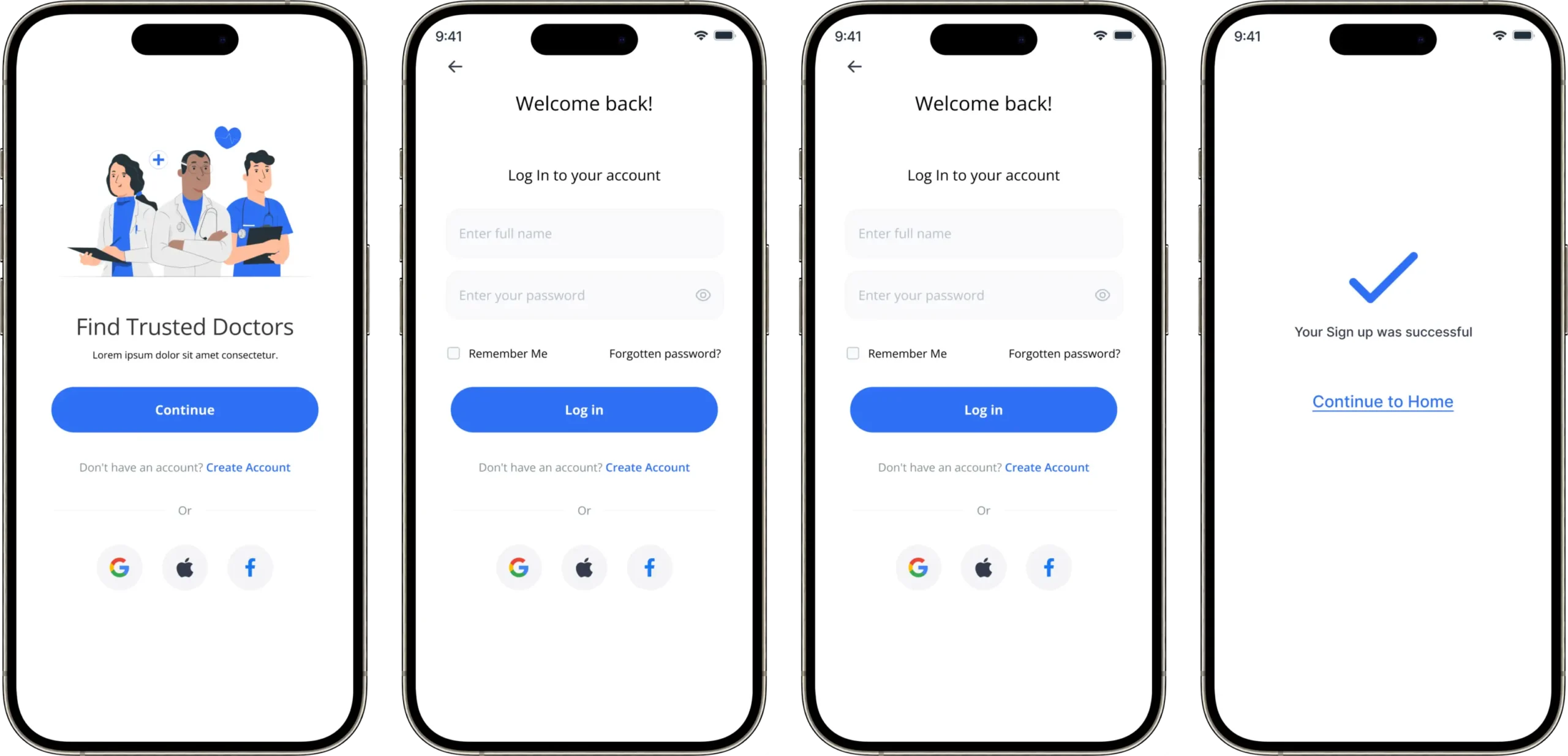
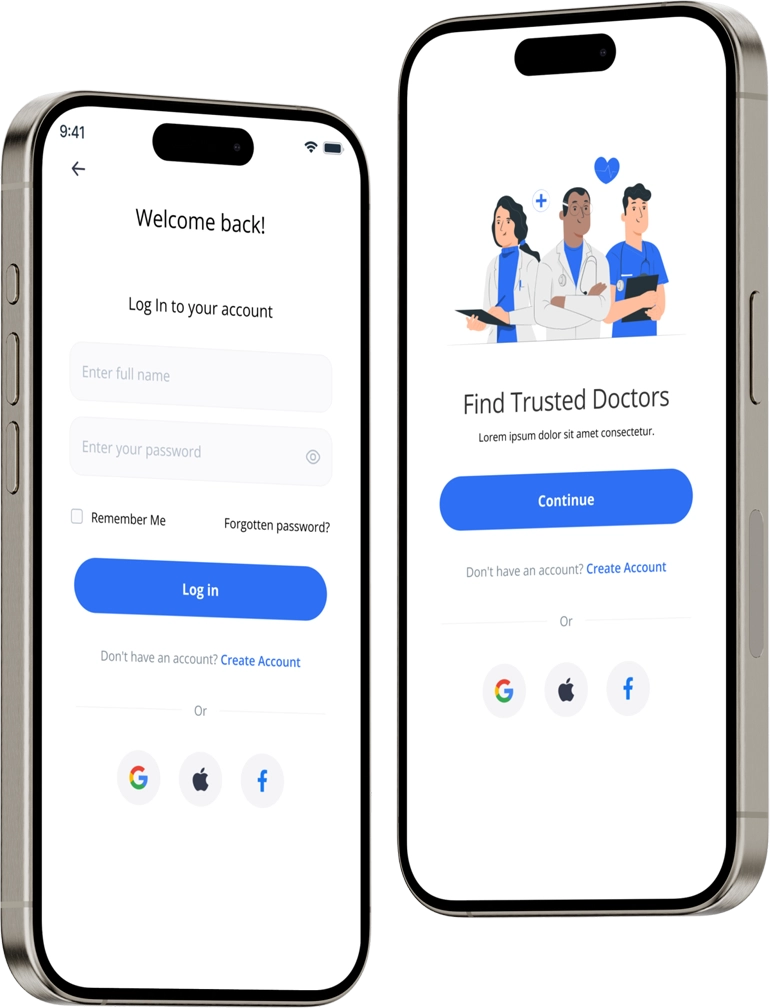
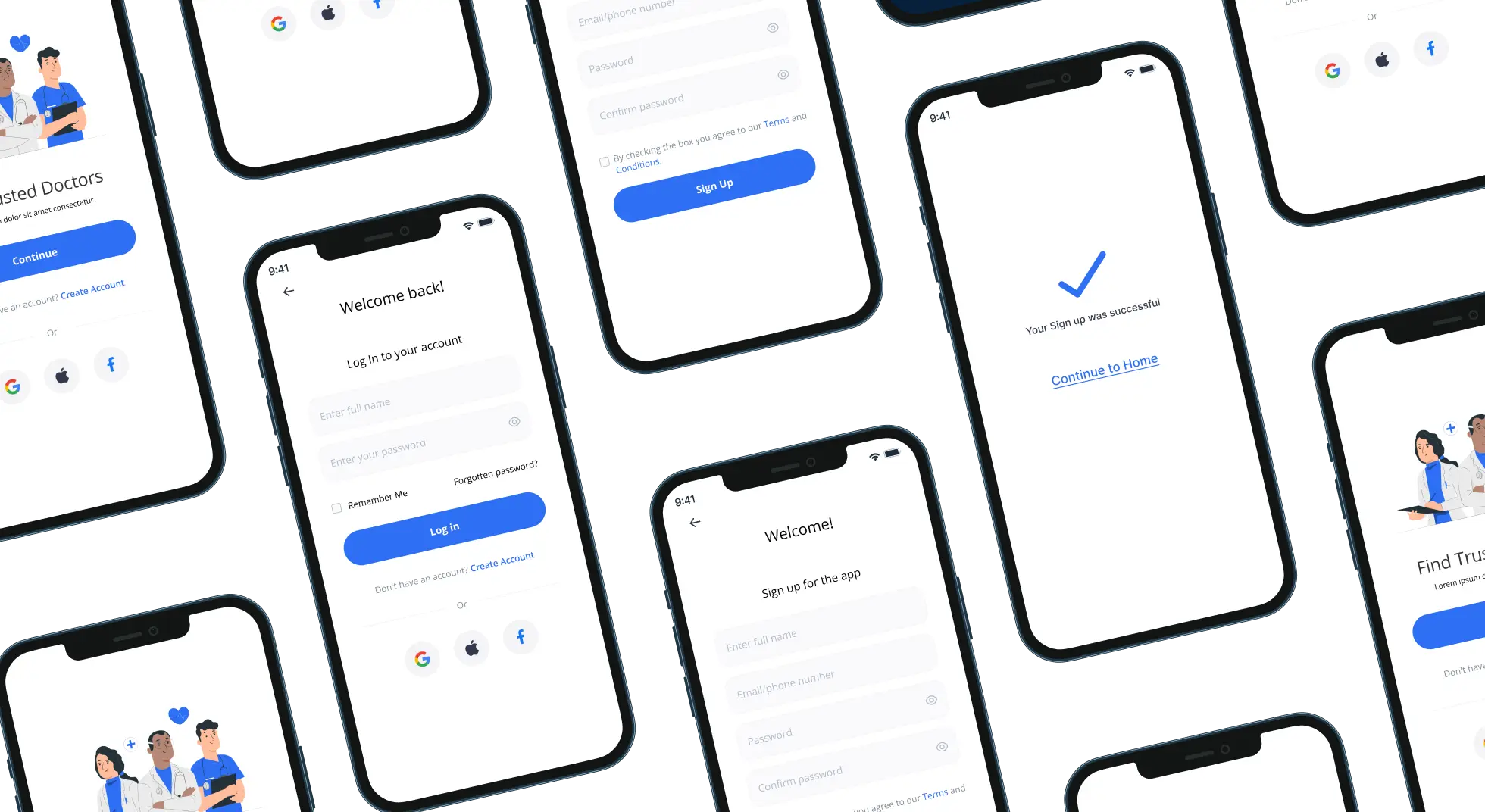
- User-Friendly Interface: Create an intuitive and accessible interface that simplifies the search process.
- Reliable Data: Integrate with reliable data sources to provide up-to-date and accurate information.
- Seamless Navigation: Ensure users can quickly and efficiently find the information they need without unnecessary steps.
Usage Story
Sarah recently moved to a new city and needed to find a family doctor for her annual check-up. She downloaded FindMyDoctor and entered her location. The app quickly showed a list of nearby family doctors with available appointment slots. Sarah was able to see each doctor’s profile, including reviews and contact information, and booked an appointment directly through the app. Within minutes, she had a confirmed appointment, saving her time and effort compared to traditional methods of finding a doctor.
Analysis
Testing
Testing involved a combination of usability testing, functional testing, and performance testing. Usability tests were conducted with real users to ensure the app’s interface was intuitive and met their needs. Functional testing focused on verifying that all features, such as search functionality and appointment booking, worked as expected. Performance testing ensured that the app could handle a high volume of users and data without lag or crashes. Feedback from beta testers was used to make iterative improvements to the app’s design and functionality.
Learning
Through the development and testing of FindMyDoctor, we learned the importance of real-time data integration and user-centric design. We discovered that users value simplicity and quick access to relevant information. Additionally, we learned that maintaining an up-to-date database and ensuring reliable data sources are crucial for the app’s success. The project reinforced the importance of iterative design and user feedback in creating a functional and user-friendly product.
Prototype